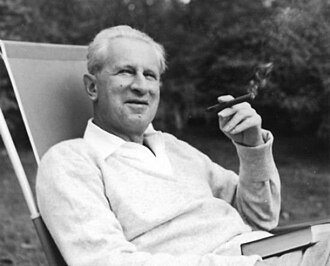
 AuthorHerbert Marcuse1898–1979
Counterrevolution and Revolt is a 1972 book by the philosopher Herbert Marcuse, first published by Beacon Press. In it he argues that the Western world has entered a new stage of development, in which the defense of the capitalist system requires organizing counterrevolution both at home and abroad. Marcuse accuses the West of practicing the horrors of the Nazi regime and of helping to launch massacres in Indochina, Indonesia, the Congo, Nigeria, Pakistan and Sudan.
The book also discusses the problems of the New Left and the political role of social ecology. Drawing on Murray Bookchin's Post-Scarcity Anarchism (1971), Marcuse argues that ecology must be pushed to the point where it can no longer be contained within the capitalist framework. He offers a discussion of the role of nature in Marxist philosophy informed by Alfred Schmidt's The Concept of Nature in Marx (1962), and treats art, including literature and music, in relation to revolution.
The reception was mixed. The gay rights activist Jearld Moldenhauer criticized Marcuse for dismissing the gay liberation movement. The intellectual historian Martin Jay called it one of Marcuse's major works, while the philosopher Charles Crittenden saw its advocacy of working for change within the system as a retreat from Marcuse's earlier endorsement of revolutionary violence.
Themes
Other works by Herbert Marcuse
Original Filopedia text based on Wikipedia (en) and Wikidata.