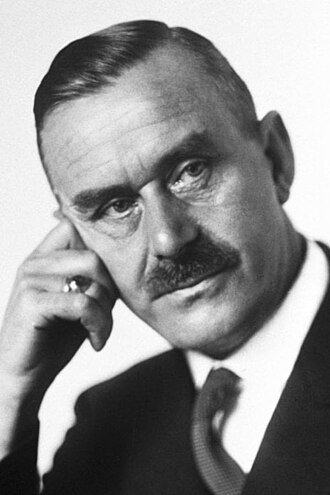
 AuthorThomas Mann1875–1955
The Holy Sinner is a novel by Thomas Mann, published in 1951 and based on Gregorius, a medieval verse epic written by the German Minnesinger Hartmann von Aue. Mann wrote it in the last years of his life, when he was still preoccupied with the origins of evil and its connection to magic, a subject that accompanied him to the end. As he had done with the biblical story of Joseph in his tetralogy, he drew on a medieval legend about "the exceeding mercy of God and the birth of the blessed Pope Gregory" and reworked it with his ironic sensibility, examining the notion of original sin and the possibility of transcending evil.
The story opens in Rome, where the monk Clemens announces the ringing of the city's bells and, moved by the spirit of storytelling, goes back to the events that led to it: Gregory's arrival in Rome and his election as pope. The action unfolds in Flanders, where a family enters into an incestuous relationship, and continues with the child born of it, set adrift at sea and raised by fishermen under the protection of an abbot. His adult life, marked by penance and the discovery of his origins, leads at last to a redemption in which mutual forgiveness allows each character to recognize that, despite their sin, they were able to rise above the baser elements of their nature.
The book combines the tone of an edifying medieval chronicle with the ironic detachment of a narrator who presents the most absurd behavior without revealing a clear judgment. It is often considered a shorter and more accessible version of the world of the Joseph tetralogy, and it has been read as a reflection on Christian ideas, both medieval and modern, presented with a directness that invites readers to reach their own conclusions about guilt, forgiveness and human dignity.
Themes
Other works by Thomas Mann
- Buddenbrooks 1901
- Tonio Kröger 1903
- Death in Venice 1912
- Reflections of an Unpolitical Man 1918
- The Magic Mountain 1924
- Mario and the Magician 1930
- Lotte in Weimar 1939
- Joseph and His Brothers 1943
- Doctor Faustus 1947
- The Black Swan 1953
- Confessions of Felix Krull 1954
Original Filopedia text based on Wikipedia (en) and Wikidata.